National Day Musings

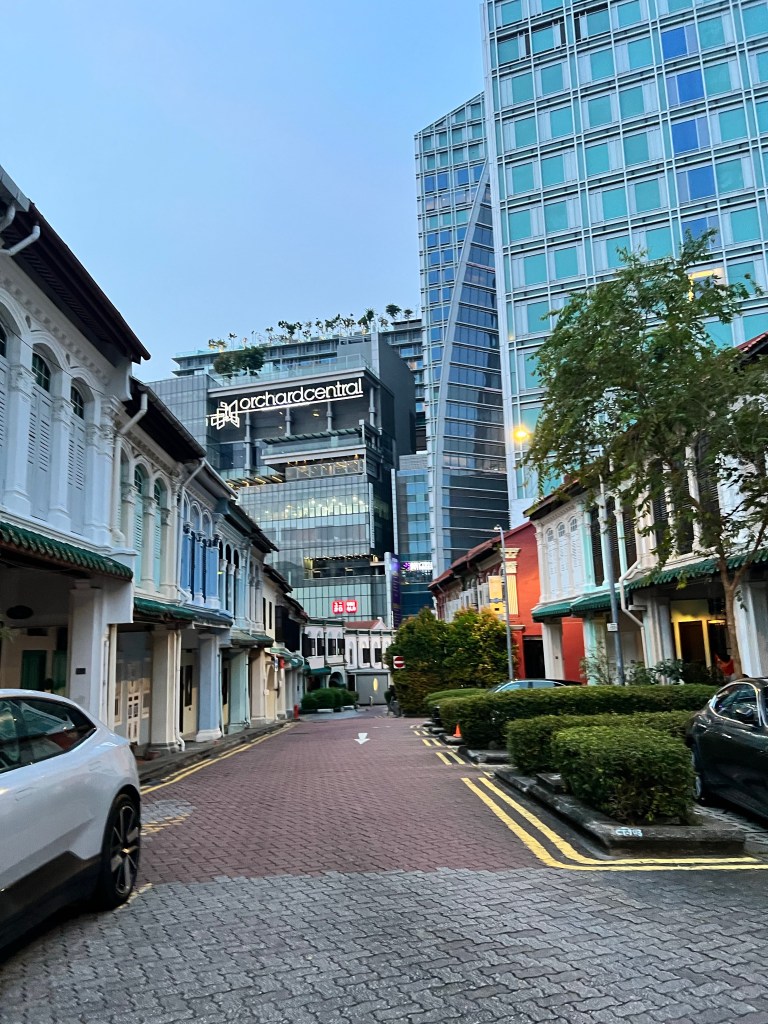
I’ve been living in Emerald Hill for a little while now, and one of my favourite things about it is how easy it is to forget that you’re right beside Orchard Road.
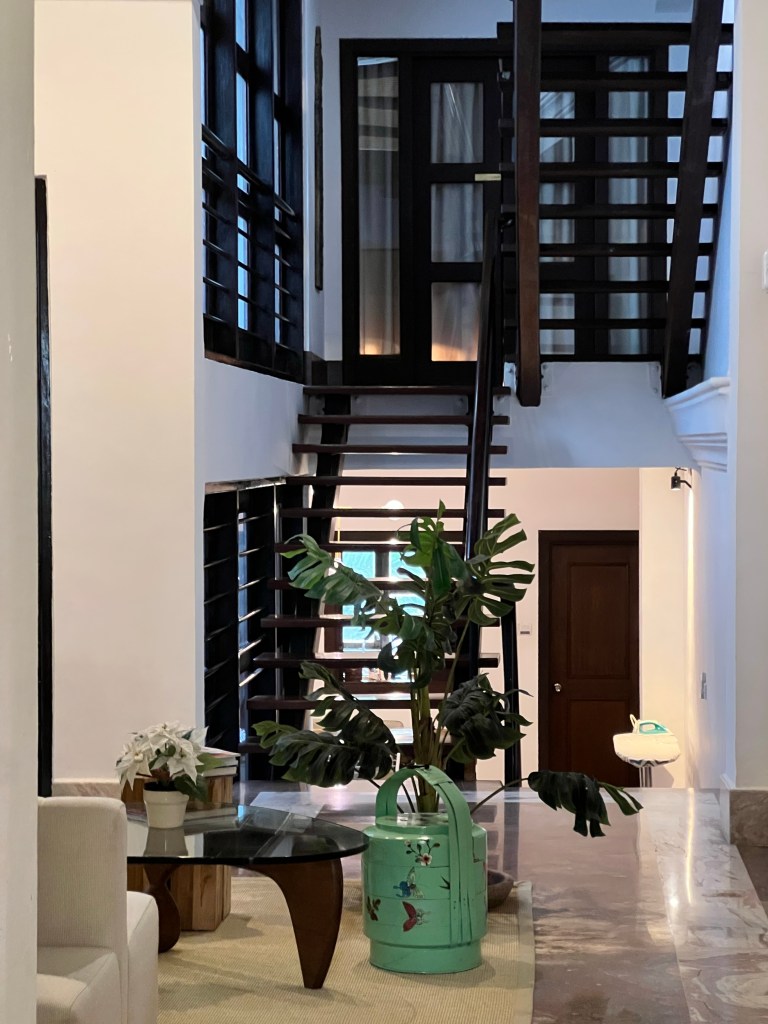
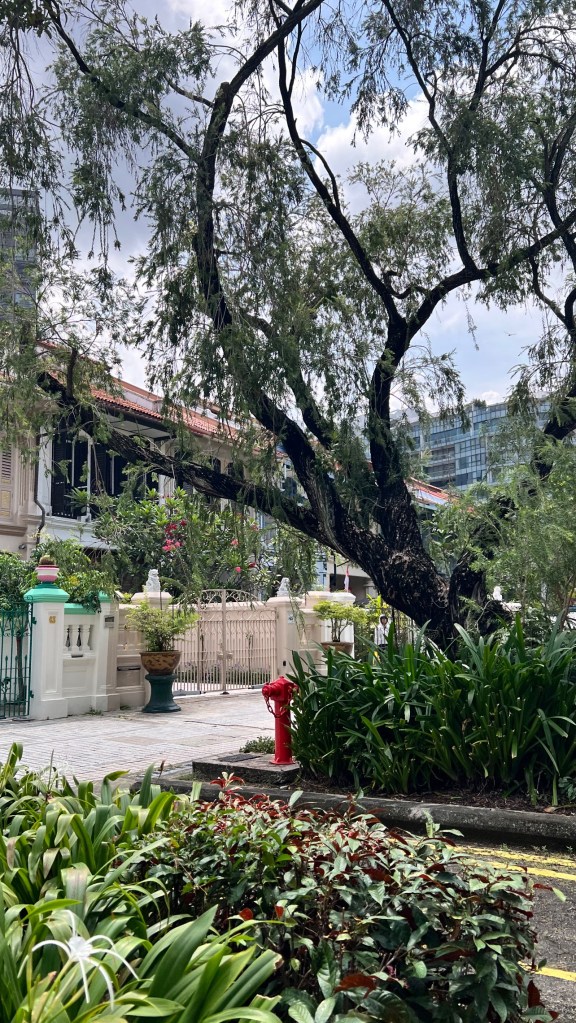
Walk a few minutes away from the bustle and suddenly there are leafy lanes, old terrace houses, colourful tiles and quiet verandahs — a very different rhythm of Singapore.

But Emerald Hill wasn’t always a residential neighbourhood.

Before the houses, there were nutmeg orchards here. The area began to take shape as a residential estate in the early 1900s, after businessmen Seah Eng Kiat and Seah Boon Kang acquired the land in 1900 and began selling smaller parcels for houses and shophouses.

By the 1930s, Emerald Hill had at least 112 houses. Many of its residents were Peranakan families, alongside Teochews, Hokkiens, Cantonese, Malays and Indian families — a small reflection of the cultural mix that has always been part of Singapore’s story.

You can still see traces of that history in the architecture.

The terrace houses aren’t quite European and aren’t quite traditionally Chinese. They bring together neoclassical columns and European influences with tropical adaptations and distinctly local details — colourful wall tiles, Chinese floral and bird motifs, sheltered five-foot ways and the old pintu pagar doors.

Some of the houses have been carefully restored over the years, with a number receiving URA Architectural Heritage Awards for their restoration. And somehow, walking past them every day makes the history feel less like something preserved in a museum and more like something still quietly lived in.

Perhaps that’s what I like most about Emerald Hill.

Singapore is a city that changes incredibly quickly. New buildings appear, old places disappear, and entire neighbourhoods can look completely different within a generation.

Published by

Leave a comment